
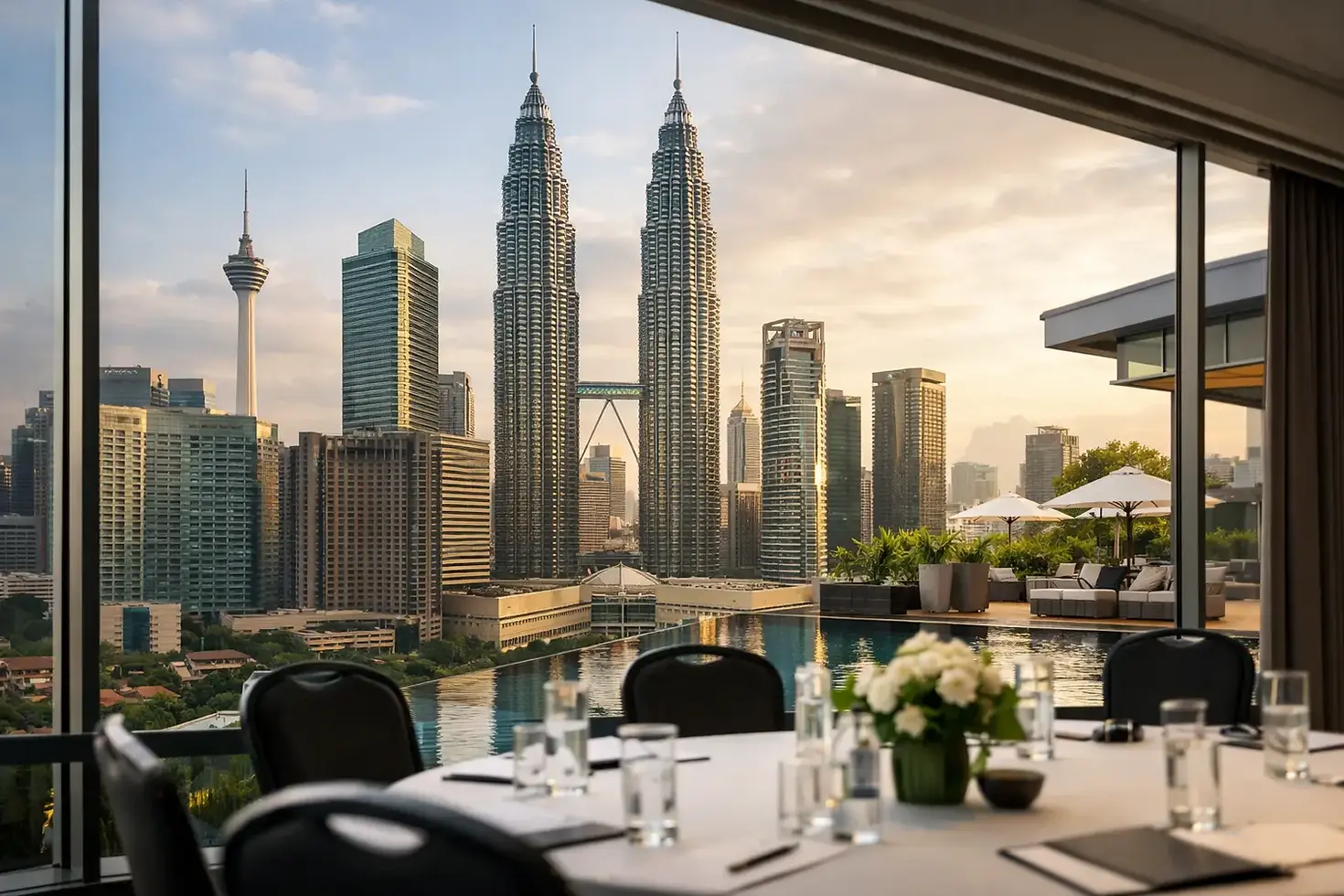
Corporate Event Venue Kuala Lumpur Guide
- CC Group

- Apr 21
- 6 min read
The difference between a polished corporate event and a stressful one usually shows up long before the first guest arrives. It starts with the venue. If you are searching for a corporate event venue Kuala Lumpur decision-makers can rely on, the real question is not simply where to host it. It is whether the space can support your agenda, represent your brand well, and make planning easier instead of harder.
Kuala Lumpur gives organizers plenty of options, from hotel ballrooms to meeting rooms and standalone halls. That sounds helpful until you begin comparing layouts, technical setups, parking, catering rules, and pricing structures that are not always as straightforward as they appear. The best venue is rarely the biggest or the most expensive. It is the one that fits your event goals with the fewest compromises.
What makes a strong corporate event venue in Kuala Lumpur
A corporate venue has to do two jobs at once. It needs to look impressive enough for clients, partners, or staff while also functioning well behind the scenes for presentations, registration, catering, and timing. A beautiful hall without proper sound support can derail a product launch. A practical room with no atmosphere can make an awards night feel flat.
That balance matters even more in Kuala Lumpur, where corporate events range from compact training sessions to large annual dinners. A suitable venue should feel appropriate for the occasion. A seminar needs focus and comfort. A networking event needs flow and conversation space. A brand launch needs visual impact. An appreciation dinner needs warmth and polish.
This is why experienced organizers look beyond square footage. They pay attention to how guests move through the space, whether the stage is visible from every table, how quickly the room can be reset, and whether the venue team understands the pace of business events.
How to choose a corporate event venue Kuala Lumpur teams will actually appreciate
The first step is matching the venue to the purpose of the event. That sounds obvious, but many bookings are made based on photos alone. A room that looks ideal for a banquet may not be right for a workshop. A sleek hall that suits a launch event may feel oversized for a leadership offsite.
Start with the event format. If you are hosting a conference, seminar, or town hall, sightlines, screen visibility, and audio clarity should be high on the list. If the event is a team celebration or gala dinner, ambiance, stage presence, and dining flow become more important. For networking sessions, you want a layout that encourages movement rather than trapping guests in fixed seating.
Capacity also deserves a closer look. Not every 200-person venue feels comfortable with 200 people inside it. Some capacities are based on theater style, while others assume banquet tables or classroom seating. A good venue partner will explain the real guest experience behind the number rather than selling the highest possible count.
Location is another practical filter. In Kuala Lumpur, convenience has a direct effect on attendance. A venue with accessible roads, clear drop-off points, and sufficient parking removes friction before the event even begins. If many attendees are coming from offices around the city, choosing a central and easy-to-reach location often matters more than chasing a novelty setting.
Technical support should never be an afterthought
Corporate events depend on timing and communication. That means audiovisual readiness is not a bonus feature. It is basic infrastructure. Before confirming any venue, ask what is built in and what has to be outsourced. Screens, projectors, LED displays, microphones, speakers, lighting control, and stable Wi-Fi should all be discussed early.
There is also a big difference between having equipment on-site and having competent support on-site. If your presenter cannot connect a laptop, if a mic fails mid-speech, or if a video cue is missed during a launch, the room can lose momentum fast. Venues with in-house technicians reduce that risk and make rehearsals far more manageable.
Catering, comfort, and guest experience matter more than many planners expect
Food is often treated as a separate decision, but guests rarely see it that way. They experience the event as one complete package. A venue that can coordinate catering well, accommodate dietary preferences, and serve on schedule adds real value, especially for long programs.
Comfort is just as important. Air conditioning, clean restrooms, lighting levels, table spacing, and chair quality all affect how guests feel and how long they remain engaged. For seminars and workshops, these details influence focus. For dinners and celebrations, they shape overall satisfaction.
The trade-offs between hotels, meeting rooms, and dedicated event halls
Hotels are often the default choice for corporate functions because they are familiar and carry built-in prestige. They can work well for larger formal events, especially when out-of-town guests need accommodations. The trade-off is that hotel packages may be less flexible, and costs can climb quickly once you factor in minimum spends, service charges, and third-party production needs.
Meeting rooms are efficient for smaller sessions, interviews, internal trainings, and board-style discussions. They usually perform well on convenience, but they may not deliver much atmosphere. If your event is client-facing or brand-sensitive, the setting can feel purely functional.
Dedicated event halls often sit in the sweet spot for companies that want style and flexibility without full hotel pricing. A well-designed hall can be dressed up for launches and dinners or configured for seminars and workshops with less friction. This is especially attractive for planners who want a premium look, built-in AV, and service coordination in one place.
For many organizers, that all-in-one convenience is where the real savings appear. The venue fee alone does not tell the whole story. If one provider can support layout planning, technical production, catering coordination, and event-day management, you spend less time juggling vendors and reduce the chance of miscommunication.
What corporate buyers should ask before booking
A venue tour should answer more than whether the room looks good in person. Ask how the space performs during a real event. How early can your team access the hall for setup? Is there a holding area for registration or speakers? Can the seating be customized for panel talks, classroom sessions, banquet rounds, or mixed formats? What is included in the package, and what falls outside it?
It is also worth asking about staffing. Some venues provide the room and little else. Others operate more like event partners, offering consultation, coordination, and technical support. That difference becomes clear when timelines tighten or last-minute changes happen.
If your audience includes executives, media, or clients, ask about arrival experience too. Entrance presentation, lobby flow, signage opportunities, and photo-worthy areas contribute to how professional the event feels. These details may sound cosmetic, but they influence perception from the first minute.
Why flexible packages often outperform low headline pricing
Budget matters, but the cheapest quote is not always the best value. A lower base rate can become expensive if it excludes essentials like sound, screens, stage setup, basic décor, or coordination staff. On the other hand, a venue with flexible packages lets you pay for what matters most to your format while keeping the experience polished.
This is where premium yet practical venues stand out. Spaces such as SkyArk Event Spaces are attractive to businesses because they combine refined aesthetics with functional event support. That matters for companies that want an event to feel elevated without turning the planning process into a separate full-time job.
Flexibility also helps when your event has mixed priorities. You may need classroom seating for the daytime session, then a cocktail-style networking arrangement in the evening. Or you may want a formal setup for a product presentation without overcommitting to luxury items your audience will barely notice. A venue team that can tailor the package is often more valuable than one that offers a rigid standard plan.
The best venue is the one that protects your event
A corporate event is part presentation, part logistics, and part hospitality. The venue sits at the center of all three. When the space is right, your speakers feel prepared, your guests feel comfortable, and your team has room to focus on outcomes instead of troubleshooting.
If you are comparing options, look for a venue that understands more than rental. Look for one that supports the full experience, from the first inquiry to the final guest departure. In a city with many choices, that kind of confidence is what turns a nice-looking hall into a smart business decision.
The most successful events usually do not feel complicated to the guest. They feel intentional, well-paced, and easy to enjoy - and that usually begins with choosing a venue that knows how to make every moving part feel effortless.


Comments