

How to Organize Company Dinner Successfully
- CC Group

- 5 days ago
- 6 min read
A company dinner can boost morale or fall flat fast. The difference usually comes down to planning details that guests may never notice consciously, but absolutely feel the moment they arrive. If you are figuring out how to organize company dinner events that feel polished, welcoming, and worth everyone’s time, the goal is not just to book a meal. It is to create an experience that reflects your company well, respects your guests, and runs smoothly from arrival to farewell.
Corporate dinners carry more weight than many teams expect. They may celebrate milestones, reward performance, host clients, mark the year-end, or simply bring people together outside the office. That means every choice matters - the venue, the layout, the menu, the timing, the sound quality, even how long guests wait before dinner is served. When those pieces work together, the evening feels effortless. When they do not, even a beautiful space can feel disorganized.
How to organize company dinner with the right goal
Before you compare venues or request catering menus, decide what the dinner is meant to achieve. This sounds obvious, but it is often skipped. A leadership appreciation dinner needs a different atmosphere from a staff celebration, a networking event, or a client-facing appreciation night.
If your main objective is connection, you need a format that allows people to talk comfortably. If the event includes speeches, awards, or product messaging, the room must support attention, sightlines, and sound. If the dinner is a reward for employees, guest comfort should lead every decision. Once the purpose is clear, choices become easier because you are no longer planning a generic event. You are planning for a specific outcome.
Guest profile matters too. A younger internal team may enjoy a livelier pace and more interactive flow. Senior executives or external partners often expect a more refined setup, easier parking access, better acoustics, and a menu that feels elevated without being fussy. The strongest company dinners feel appropriate to the audience rather than impressive for its own sake.
Set a budget that protects the guest experience
A realistic budget does more than cap spending. It helps you avoid cutting the wrong corners later. In most company dinners, the largest costs are venue, catering, audiovisual support, and decor or event styling. Depending on the format, you may also need emcee support, entertainment, photography, valet, signage, or guest registration assistance.
The mistake many planners make is spending heavily on one visual feature while underfunding the basics. Guests will remember a delayed dinner service or muffled speeches far more than premium floral arrangements. If you need to prioritize, start with comfort, food quality, room functionality, and technical reliability.
It also helps to build in a contingency amount. Last-minute headcount changes, dietary requests, upgraded staging, or extended event hours are common. A small buffer keeps those changes from becoming stressful. For corporate planners, the best budget is not the cheapest one. It is the one that delivers a clean, professional result without surprise costs.
Choose a venue that works beyond appearance
A beautiful venue is valuable, but a company dinner needs more than a pretty backdrop. The right space should support the practical flow of the evening just as well as the visual impression. Capacity is the first checkpoint, but it should not be your only one. A room that technically fits 200 people may feel crowded for a seated dinner with a stage, buffet line, and photo area.
Look closely at arrival experience, parking, accessibility, restroom quality, air conditioning, and the transition points between segments of the event. If guests must queue awkwardly at registration, struggle to hear speeches, or squeeze between tightly packed tables, the evening loses polish quickly.
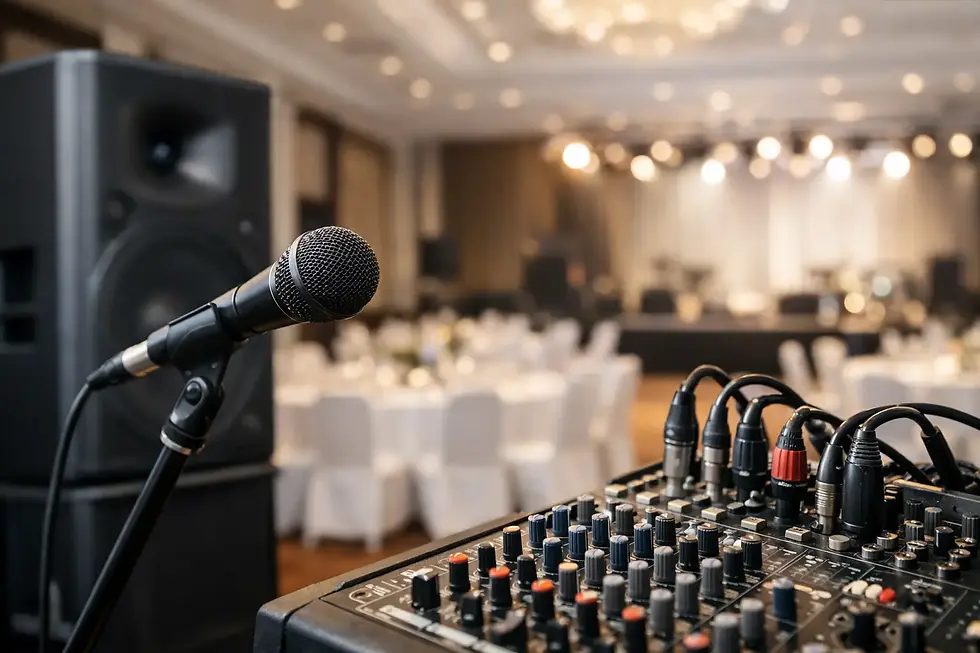
Built-in technical features can make a major difference. Reliable sound systems, LED screens, stage lighting, microphones, and Wi-Fi are not just nice extras for corporate events. They support presentations, videos, award moments, and smooth event pacing. For many organizers, an all-in-one venue with operational support is more cost-effective than coordinating multiple outside vendors separately.
This is where service quality matters as much as the hall itself. A premium-looking venue with experienced coordination support usually produces a calmer planning process and a stronger guest experience than a larger space with limited assistance.
Plan the dinner format before locking details
The structure of the evening affects nearly every other decision. A formal seated dinner creates a different rhythm from a buffet-style appreciation night or cocktail dinner with light entertainment. Neither is automatically better. It depends on guest count, objectives, and budget.
Seated dinners feel more elegant and controlled. They work well for award presentations, executive remarks, and client entertainment. They also simplify timing, since meals can be served course by course or table by table. The trade-off is usually cost and less casual movement.
Buffet dinners are often more flexible and social. They can work beautifully for internal company events where mingling matters more than ceremony. The challenge is crowd flow. Without enough buffet stations or proper spacing, the room can feel congested.
Cocktail-style dinners suit shorter networking events or launches, but they may disappoint guests if the invitation suggests a full dinner and the food feels too light. Match the format to expectation. That alone prevents many complaints.
Menu planning is about comfort, pace, and inclusivity
Food is one of the strongest memory points of the evening, which means menu planning deserves real attention. A successful company dinner menu is not only tasty. It is efficient to serve, easy to eat, suitable for diverse preferences, and aligned with the tone of the event.
Start by understanding your guest mix. Are there religious dietary considerations, vegetarian guests, senior attendees, or international visitors? A menu with broad appeal usually performs better than one built around novelty. Elegant presentation matters, but guests tend to appreciate familiar dishes done well, especially at corporate events where the meal should support conversation rather than become a challenge.
Timing also matters. If speeches are long, serving food too late can hurt the mood. If service begins during important presentations, attention drops. The strongest event timelines coordinate catering with the program so guests never feel ignored, rushed, or hungry.
Do not forget beverages and dessert. These small choices shape the finish of the night. A coffee and tea station after dinner can keep networking comfortable. A well-timed dessert service can also help transition the event toward a natural close.
How to organize company dinner logistics without last-minute stress
This is the part that separates a good plan from a confident one. Event logistics are rarely glamorous, but they are what guests feel when an evening flows properly. Build your event timeline backward from the guest arrival time. Include venue access, vendor setup, sound check, registration preparation, meal service windows, speech timing, and breakdown.
Assign clear ownership for each moving part. Someone should be responsible for guest check-in, someone for cueing speeches, someone for liaising with the venue, and someone for handling unexpected needs on the floor. Even for modest dinners, relying on one organizer to do everything creates risk.
Create a simple run sheet and share it with everyone involved. That includes venue coordination, catering, AV support, emcee, and internal stakeholders. The evening feels premium when transitions are smooth, not when every detail is extravagant.
If your event includes senior management, award recipients, or external clients, confirm seating plans carefully. Good seating is strategic. It can improve conversation, highlight important guests, and prevent awkward reshuffling at the door.
Atmosphere shapes how the brand is remembered
Corporate does not have to mean cold. A company dinner should feel refined, welcoming, and intentional. Lighting, table styling, stage design, music, and room layout all influence guest perception. The best atmosphere choices support your event purpose rather than compete with it.
For example, a year-end gala may benefit from dramatic lighting and a more celebratory visual style. A client appreciation dinner may call for understated elegance, comfortable table spacing, and quieter background music. If your company wants to project professionalism, choose details that feel cohesive instead of overloaded.
This is also where an experienced venue partner can add real value. A space with built-in ambiance, flexible styling, and event-day technical support reduces the number of elements you need to build from scratch. For planners in Kuala Lumpur who want that balance of style and operational ease, SkyArk Event Spaces is designed with exactly that kind of polished, practical hosting in mind.
Common mistakes to avoid when planning a company dinner
The most common issue is underestimating timing. Guests need enough time to arrive, settle in, eat, and engage without feeling trapped in an overly long program. Another frequent mistake is selecting a venue based only on price or photos. A lower rate can become expensive if it requires outside rentals, added technicians, or extra coordination.
Poor sound is another silent event killer. If guests cannot hear speeches clearly, the room disconnects. The same applies to overly ambitious agendas. Too many speeches, performances, or ceremonial elements can drain the energy from what should be an enjoyable evening.
Finally, avoid treating all guests the same if the event serves multiple audiences. Employees, partners, VIPs, and leadership teams may need slightly different touchpoints, from reserved seating to arrival handling. Small hospitality decisions often create the strongest impression.
A well-organized company dinner does not feel overproduced. It feels thoughtful. When your venue, food, timing, and service all support the same goal, guests relax, conversations happen naturally, and your company is remembered for all the right reasons.


Comments